30 Days to Kana Fluency: A Daily Challenge for New Learners
Embarking on the journey to learn Japanese can feel overwhelming, especially when confronted with the intricacies of kana. However, with a structured approach, mastering Hiragana and Katakana can become an achievable goal. This 30-day challenge is designed to guide beginners step-by-step, making the learning process enjoyable and effective.
Understanding Kana
Kana consists of two syllabaries: Hiragana and Katakana. Each serves a unique purpose in the Japanese language.
- Hiragana: Used for native Japanese words and grammatical elements.
- Katakana: Primarily used for foreign words, loanwords, and onomatopoeia.
Familiarity with both forms is essential for fluency in Japanese reading and writing.
Setting the Stage: Your 30-Day Learning Plan
To maximise your success, consistency is key. Here’s a breakdown of what your daily challenge will look like:
Week 1: Hiragana Basics
Days 1-7: Focus on learning the Hiragana characters.
- Day 1: あ (a), い (i), う (u)
- Day 2: え (e), お (o), か (ka)
- Day 3: き (ki), く (ku), け (ke), こ (ko)
- Day 4: さ (sa), し (shi), す (su)
- Day 5: せ (se), そ (so), た (ta)
- Day 6: ち (chi), つ (tsu), て (te), と (to)
- Day 7: Practice writing all characters learned so far.
Week 2: Expanding Hiragana Knowledge
Days 8-14: Continue with the remaining Hiragana characters.
- Day 8: な (na), に (ni), ぬ (nu)
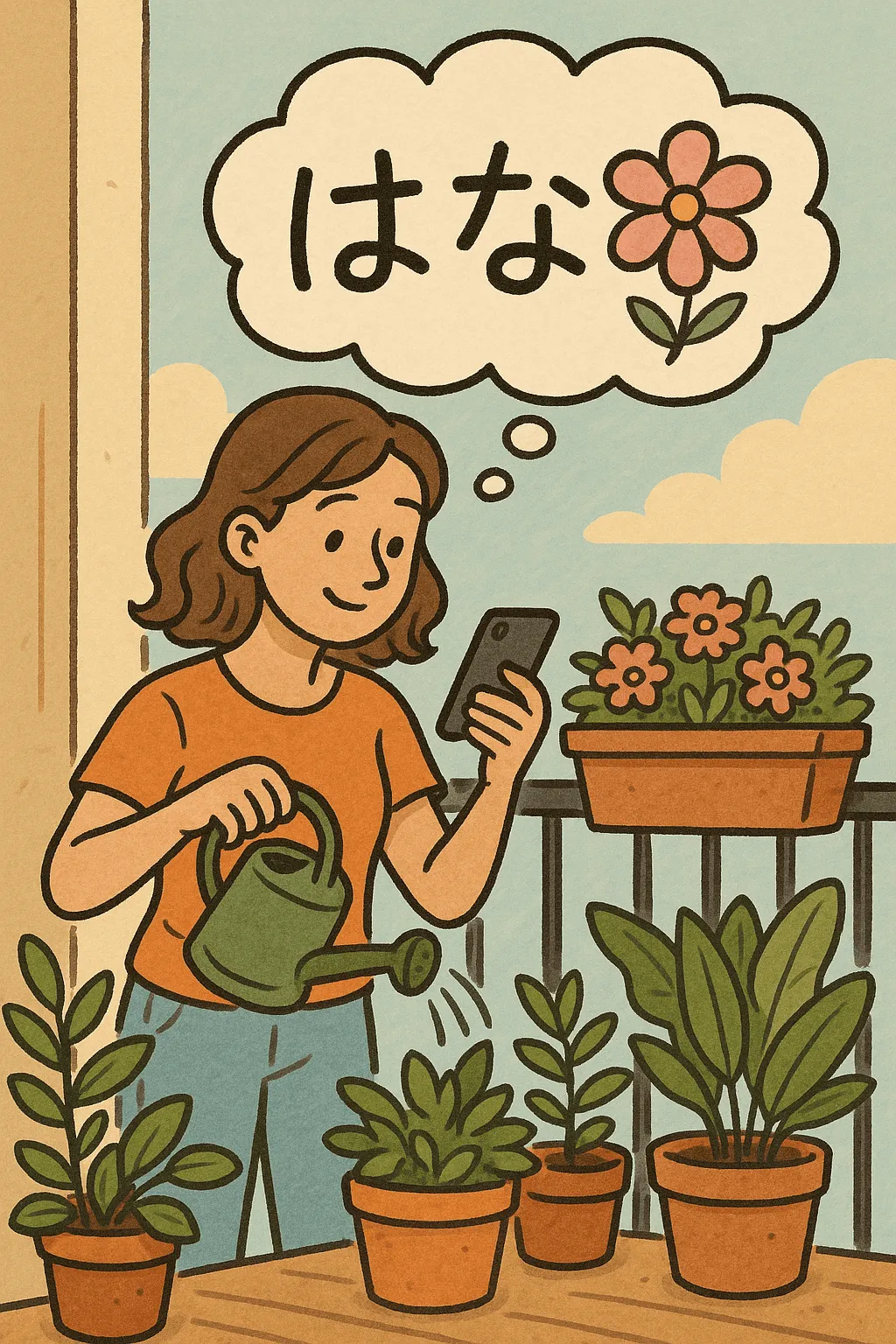
- Day 9: ね (ne), の (no), は (ha)
- Day 10: ひ (hi), ふ (fu), へ (he), ほ (ho)
- Day 11: ま (ma), み (mi), む (mu)
- Day 12: め (me), も (mo), や (ya)
- Day 13: ゆ (yu), よ (yo), ら (ra)
- Day 14: り (ri), る (ru), れ (re), ろ (ro)
Week 3: Introduction to Katakana
Days 15-21: Begin learning Katakana.
- Day 15: ア (a), イ (i), ウ (u)
- Day 16: エ (e), オ (o), カ (ka)
- Day 17: キ (ki), ク (ku), ケ (ke), コ (ko)
- Day 18: サ (sa), シ (shi), ス (su)
- Day 19: セ (se), ソ (so), タ (ta)
- Day 20: チ (chi), ツ (tsu), テ (te), ト (to)
- Day 21: Practice writing all Katakana characters learned so far.
Week 4: Mastery and Application
Days 22-30: Reinforce your knowledge and practice reading and writing.
- Day 22: まとめ (matome) - Review all Hiragana and Katakana characters.
- Day 23: Write simple words using Hiragana (e.g., さくら [sakura]).
- Day 24: Write simple words using Katakana (e.g., コーヒー [koohii]).
- Day 25: Create flashcards for both sets of characters.
- Day 26: Engage in a writing exercise: write a short self-introduction in kana.
- Day 27: Read children's books or simple stories in kana.
- Day 28: Practice pronunciation with audio resources.
- Day 29: Test yourself with kana quizzes online.
- Day 30: Celebrate your progress. Review and reflect on what you've learned.
Daily Practice: Making it Stick
Consistent practice is vital for retention. Here are some practical steps:
1. Daily Writing: Spend at least 10-15 minutes writing out the characters.
2. Use Flashcards: Create flashcards with kana on one side and their romaji equivalents on the other.
3. Engage with Media: Listen to Japanese songs or watch shows with subtitles to hear kana in context.
Exercises to Reinforce Learning
Incorporate these exercises to strengthen your kana knowledge:
- Character Matching: Match Hiragana characters with their Katakana counterparts.
- Fill in the Blanks: Create sentences with missing kana and fill them in.
- Kana Bingo: Make bingo cards with kana characters and play with friends or classmates.
Resources for Success
Utilise various resources to enhance your learning experience:
- Mobile Apps: Consider using Kanabloom for structured lessons and quizzes.
- Online Communities: Join forums or social media groups focused on Japanese learning.
- Books: Look for beginner-friendly Japanese textbooks that emphasise kana.
Conclusion: Your Journey Begins
Embarking on the 30-day kana fluency challenge is an exciting way to kickstart your Japanese learning journey. By following the daily learning plan and engaging in consistent practice, you’ll build a strong foundation in Hiragana and Katakana.
Remember, every small step counts in language learning. Stay motivated, and don't hesitate to reach out to fellow learners for support.
Download Kanabloom on iOS.
Looking for the best way to practice? Discover why Kanabloom is the best app for learning Hiragana and Katakana.