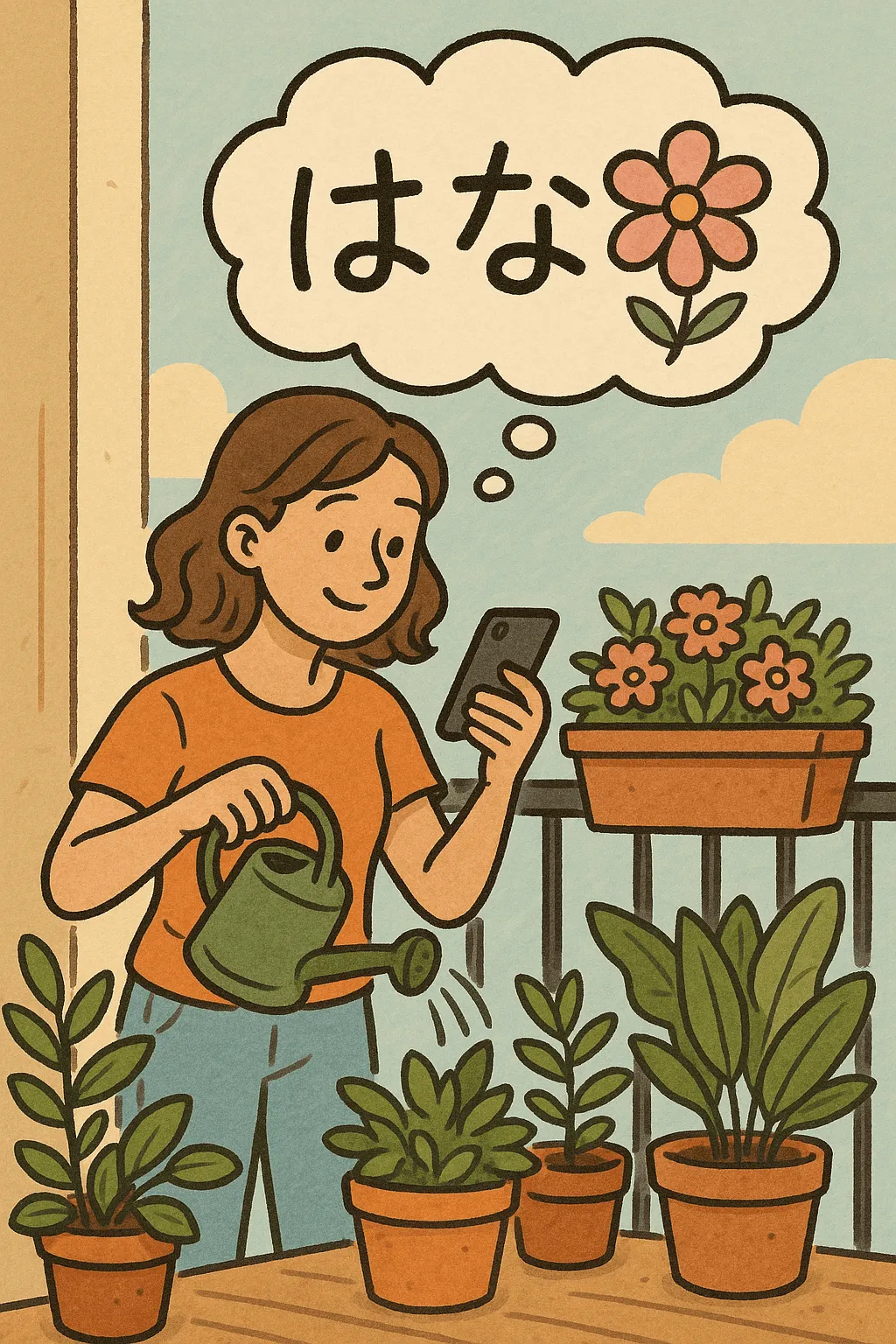
Exploring the Phonetic Harmony of Japanese Kana: A Beginner's Journey
Learning Japanese can be an exciting adventure, and understanding the phonetic harmony of Japanese kana is a crucial step for beginners. The two primary components of kana—hiragana and katakana—serve different purposes but share a common phonetic foundation. In this blog post, we’ll explore how these two scripts work harmoniously together, providing you with practical steps to enhance your learning experience.
What is Japanese Kana?
Japanese kana consists of two syllabaries: hiragana and katakana. Each kana represents a distinct syllable, making it easier for learners to read and write in Japanese.
- Hiragana is primarily used for native Japanese words, grammatical elements, and to express sounds.
- Katakana is mainly reserved for foreign words, borrowed terms, and onomatopoeia.
Both scripts are essential for reading and writing in Japanese, and understanding their phonetic harmony will help you grasp the language more effectively.
The Basics of Phonetic Harmony
Phonetic harmony in Japanese refers to how sounds are formed and combined. Both hiragana and katakana follow a consistent set of rules, making it easier for beginners to pronounce words correctly.
Vowel Sounds in Japanese
Japanese vowels are relatively straightforward. There are five vowel sounds:
- a (あ)
- i (い)
- u (う)
- e (え)
- o (お)
Each vowel can combine with consonants to form syllables, creating a harmonious flow when spoken.
Consonant Sounds
Consonants in Japanese are typically paired with vowels to form syllables. Here are a few examples:
- ka (か)
- ki (き)
- ku (く)
- ke (け)
- ko (こ)
By combining consonants with vowels, you create a rhythm that is unique to the Japanese language.
The Importance of Hiragana and Katakana
Understanding the roles of hiragana and katakana is vital for beginners. Here’s why:
- Reading: Hiragana is used for grammatical elements, while katakana helps identify foreign words.
- Writing: Mastering both scripts enables you to write a wide range of vocabulary.
- Pronunciation: Knowing kana can significantly improve your pronunciation, as each character corresponds to a specific sound.
Practical Steps to Learn Kana
Step 1: Start with Hiragana
Begin your journey by learning hiragana. Familiarise yourself with the characters and their sounds. Here’s how:
- Flashcards: Create flashcards for each hiragana character. Write the character on one side and the pronunciation on the other.
- Practice Writing: Repeatedly write each character to reinforce your memory and improve your handwriting.
- Use Apps: Consider using language learning apps like Kanabloom, which provide interactive exercises to help you master hiragana.
Step 2: Move on to Katakana
Once you're comfortable with hiragana, transition to katakana. Follow similar steps:
- Flashcards: Create a new set of flashcards for katakana.
- Practice Writing: Write each katakana character multiple times.
- Identify Foreign Words: Look for foreign words in everyday life (like ‘coffee’ コーヒー) and practice writing them in katakana.
Step 3: Combine Hiragana and Katakana
After mastering both scripts, practice using them together in sentences. This will help you understand how phonetic harmony operates in the language.
- Read Simple Texts: Start with children's books or simple online articles that use both hiragana and katakana.
- Write Short Sentences: Try writing sentences that incorporate both scripts, such as "I eat sushi" (私は寿司を食べます) where "私は" (I) is in hiragana and "寿司" (sushi) is in kanji.
Practising Phonetic Harmony
To reinforce your understanding of phonetic harmony, try these exercises:
Exercise 1: Match the Sounds
Match the hiragana characters with their katakana equivalents.
- あ (a) - ア
- い (i) - イ
- う (u) - ウ
- え (e) - エ
- お (o) - オ
Exercise 2: Fill in the Blanks
Fill in the blanks with the correct hiragana or katakana characters based on the provided sounds.
1. ka - __ (か / カ)
2. mi - __ (み / ミ)
3. to - __ (と / ト)
4. su - __ (す / ス)
5. ne - __ (ね / ネ)
Exercise 3: Create Your Own Words
Combine hiragana and katakana to create your own words. For example:
- Hiragana: ねこ (neko - cat)
- Katakana: コーヒー (kōhī - coffee)
Resources for Learning Kana
As you embark on your journey to master Japanese kana, consider these helpful resources:
- Online Courses: Enrol in a structured online course designed for beginners.
- Language Exchange: Partner with a native Japanese speaker to practice reading and writing.
- Mobile Apps: Download apps like Kanabloom for interactive exercises and gamified learning experiences.
Enhancing Your Learning Experience
Embracing the phonetic harmony of Japanese kana will greatly enhance your language learning journey. By understanding how hiragana and katakana work together, you’ll develop a stronger foundation in reading and writing.
Remember, consistent practice is key. Use flashcards, writing exercises, and mobile apps to reinforce your skills. As you progress, you will find that the beauty of the Japanese language lies in its sounds and rhythms.
Download Kanabloom on iOS.
Looking for the best way to practice? Discover why Kanabloom is the best app for learning Hiragana and Katakana.