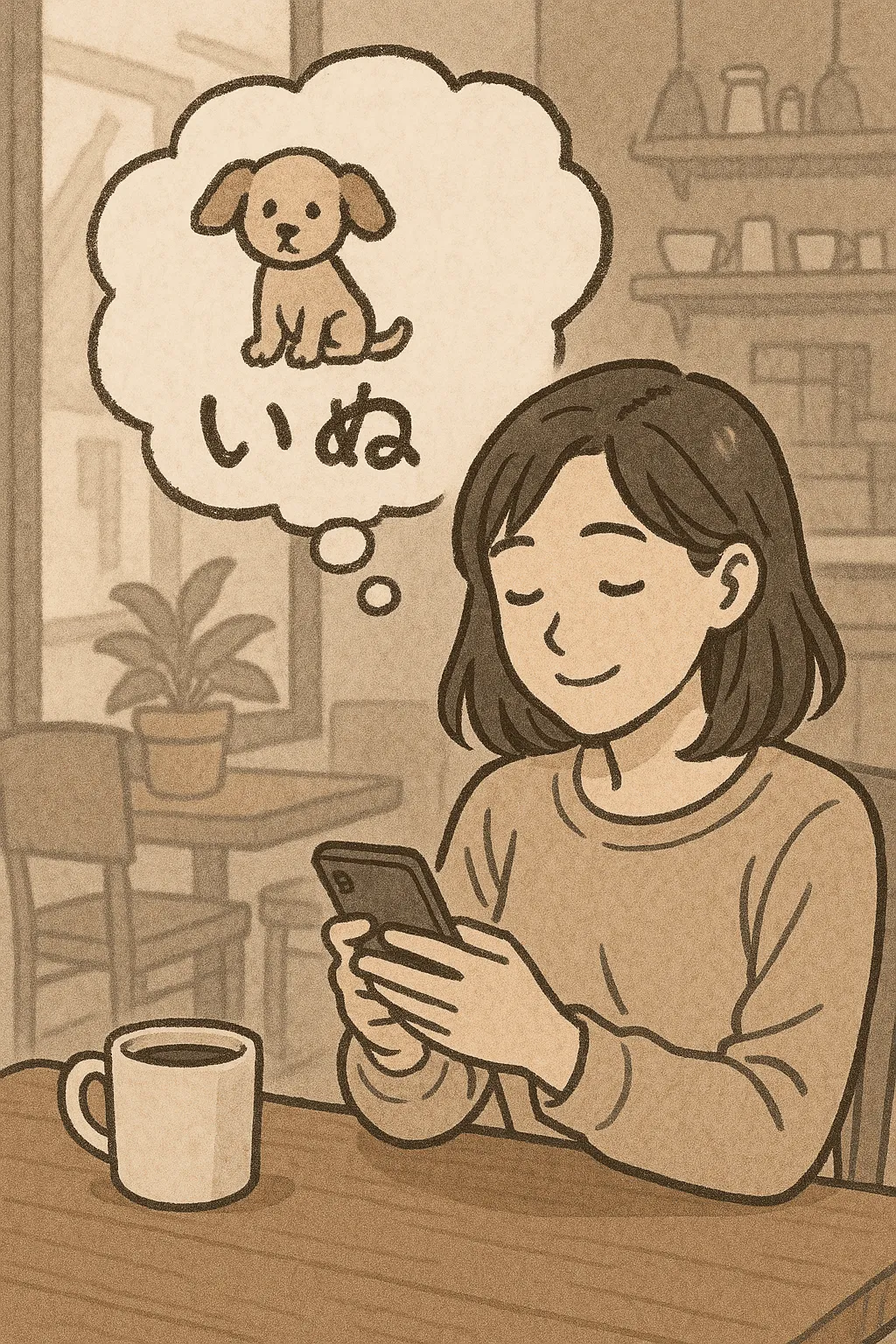
Understanding Kana: Hiragana and Katakana
As you embark on your journey to learn Japanese, understanding kana—Hiragana and Katakana—is essential. These two syllabaries form the backbone of the Japanese writing system. Hiragana is primarily used for native Japanese words, while Katakana is employed for foreign words and names.
Learning these characters can be daunting, but incorporating effective learning techniques can significantly enhance your experience. One of the most effective methods is color coding. This post will explore how colour can improve your memory retention while learning kana.
The Power of Colour Coding
How Colour Affects Memory
Colour has the power to evoke emotions, influence moods, and enhance memory retention. Research suggests that using colour to organise information can help individuals recall details more effectively. By associating specific colours with different kana characters, you can create a visual cue that aids in memorisation.
Benefits of Colour Coding for Kana
- Visual association: Colour coding helps create a mental image, making it easier to remember characters.
- Reduced cognitive load: Organising information visually can make it less overwhelming.
- Engagement: Using colour can make learning more enjoyable, encouraging consistent practice.
Implementing Colour Coding in Your Studies
Step 1: Choose Your Colours
To start, you'll need to select a colour scheme that resonates with you. Here are some suggestions:
- Hiragana: Use soft pastels (e.g., light pink, blue, green).
- Katakana: Opt for bold, vibrant colours (e.g., red, yellow, purple).
Step 2: Create a Colour-Coded Chart
Once you've chosen your colours, create a chart that lists all the Hiragana and Katakana characters alongside their corresponding colours. This visual reference will serve as a handy tool during your study sessions.
Step 3: Practice with Flashcards
Flashcards are an effective way to reinforce your learning. Create a set of flashcards for Hiragana and Katakana, ensuring each card is colour-coded according to your chart. On one side, write the character, and on the other, include its pronunciation and an example word.
Step 4: Use Colour in Context
Incorporate colour coding into your daily practice. For instance, when reading a text in Japanese, highlight each kana character with its designated colour. This technique will reinforce your memory as you encounter the characters in context.
Practical Exercises for Enhanced Memory Retention
To help solidify your understanding of kana through colour coding, try these exercises:
Exercise 1: Colour-Coded Writing Practice
1. Select a set of Hiragana and Katakana characters to focus on.
2. Write each character multiple times, using the corresponding colour for each one.
3. As you write, say the pronunciation out loud to reinforce the connection between the character and its sound.
Exercise 2: Colourful Word Association
1. Choose a few words that contain both Hiragana and Katakana characters.
2. Write them down, ensuring to use the appropriate colours for each kana.
3. Create a story using those words, emphasising the use of colour to visualise the characters.
Exercise 3: Group Study with Colour Coding
If you have friends learning Japanese, consider group study sessions. Assign different colours to each person for Hiragana and Katakana characters. Share your colour codes and practice reading each other’s notes. Discuss how colour helps you remember the characters better.
Tips for Maximising Colour Coding
- Consistency is key: Use the same colour scheme across different materials to reinforce learning.
- Stay organised: Keep your colour-coded materials in a dedicated folder to avoid confusion.
- Experiment: Don’t hesitate to adjust your colour choices if they aren’t working for you.
Other Learning Techniques to Enhance Memory Retention
While colour coding is a powerful tool, combining it with other learning techniques can lead to even greater success.
Mnemonics
Use mnemonic devices by creating memorable phrases or images associated with each kana character. For example, for the Hiragana さ (sa), you could imagine a “saw” cutting through the character's curves.
Repetition
Repetition is crucial for memory retention. Regularly review your colour-coded chart and flashcards. Aim for daily practice, even if it’s just for a few minutes.
Audio-Visual Aids
Incorporate audio-visual resources such as videos, apps, or online courses that align with your colour-coded system. This will provide a multi-sensory experience that can enhance your learning.
Tracking Your Progress
To ensure you’re making strides in your kana learning, keep a journal of your progress. Note down which characters you’re mastering and which ones still pose challenges. Colour coding can also be applied here; use different colours to indicate your level of confidence with each character.
By consistently reviewing and applying these techniques, you’ll find that your understanding and retention of Hiragana and Katakana will improve significantly.
Final Thoughts
Implementing colour coding into your kana studies can transform your learning experience. As you associate colours with Hiragana and Katakana characters, you'll enhance your memory retention and make the process much more enjoyable.
Ready to take your Japanese learning to the next level? Download Kanabloom on iOS for more engaging and effective learning tools!
Looking for the best way to practice? Discover why Kanabloom is the best app for learning Hiragana and Katakana.