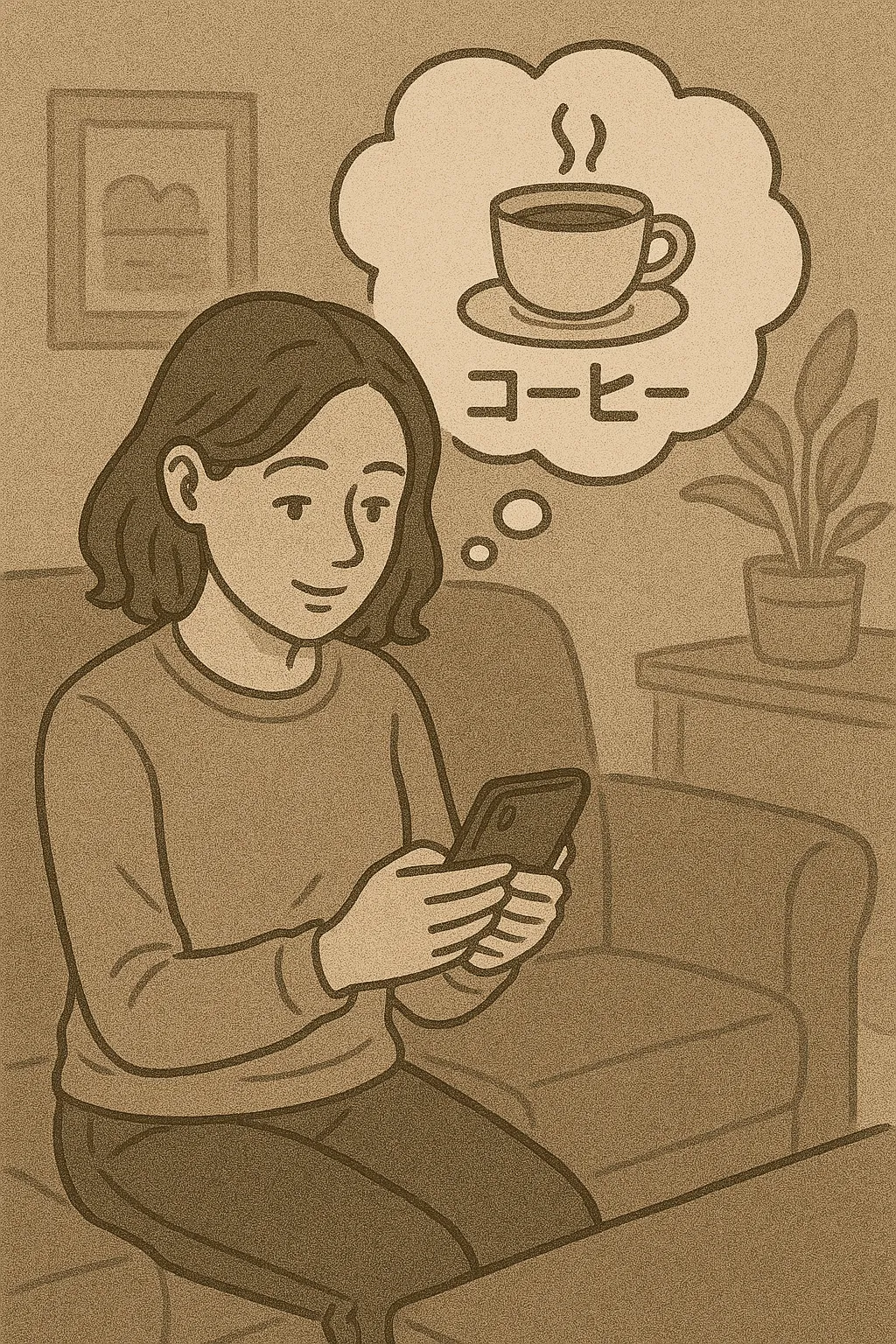
Understanding Hiragana and Katakana
When embarking on your journey to learn Japanese, mastering Hiragana and Katakana is essential. These two syllabaries form the foundation of the language, allowing you to read and write basic Japanese. However, memorising them can be a daunting task for beginners. Luckily, there are unconventional memory techniques to help you retain these characters more effectively.
The Importance of Memory Techniques
Memory techniques can transform the learning process, making it more engaging and less overwhelming. Instead of rote memorisation, which can lead to frustration, these approaches leverage creativity and association. Here are some unconventional methods to consider:
Visualisation and Storytelling
One effective memory technique involves visualising characters as part of a story. This approach taps into your imagination and helps create lasting associations.
- Create a Narrative: For example, the Hiragana character “さ” (sa) can be visualised as a sailboat sailing on a sea. Imagine the waves splashing against the boat every time you see the character.
- Draw It Out: Sketch your story. Drawing the scene can solidify the connection between the character and its meaning.
Mnemonic Devices
Mnemonic devices are tools that aid in the retention of information through association. They can be especially helpful in remembering the shapes and sounds of Hiragana and Katakana.
- Rhymes and Alliteration: Create a catchy phrase or rhyme. For instance, “き” (ki) can be remembered as “Key to the Kite flying high”.
- Word Associations: Link characters to familiar words. The Katakana character “コ” (ko) resembles the English letter "C" for coffee.
Movement and Gesture
Incorporating physical movement can enhance memory retention. Associating characters with specific gestures can make learning dynamic and fun.
- Hand Motions: Assign a unique hand gesture for each character. For instance, for “た” (ta), you might mimic a tiger with a clawing motion.
- Body Memory: Stand up and form the shapes of the characters with your body. This kinesthetic approach can reinforce your memory through muscle memory.
Interactive Learning Techniques
Engaging with Japanese kana through interactive methods can also solidify your understanding. Here are some ideas:
Flashcards with a Twist
Flashcards are a traditional learning tool, but you can spice them up for better retention.
- Illustrated Flashcards: Instead of just writing the character on one side, include an illustration or a scene that represents the character’s sound or meaning.
- Quiz Games: Turn flashcard sessions into a game. Challenge a friend or family member to recall characters while you time them.
Apps and Technology
Leveraging technology can also enhance your learning experience.
- Gamified Learning: Use apps that incorporate games and challenges to learn kana. These platforms often provide instant feedback, making the learning process more engaging.
- Speech Recognition: Choose apps that allow you to practice pronunciation. Hearing your own voice can help reinforce the auditory aspect of learning.
Practical Exercises for Hiragana and Katakana
Incorporating exercises into your study routine can further bolster your retention of Hiragana and Katakana. Here are some exercises that you can try:
Write and Recite
1. Daily Writing Practice: Dedicate 10 minutes each day to write out each character while saying its sound aloud. This combines visual, auditory, and kinesthetic learning.
2. Character Bingo: Create a bingo card with different kana characters. Call out sounds, and mark them off as you write or say them.
Character Matching Game
Create a matching game with Hiragana and Katakana characters and their corresponding sounds.
- Materials Needed: Cards with characters on one set and sounds on another.
- How to Play: Shuffle and place them face down. Turn over two cards at a time to find matches. This can be played solo or with friends.
Group Study Sessions
Collaborating with others can add a social element to your learning.
- Study Groups: Form a study group where each member teaches a character or a set of characters. Teaching others can enhance your own understanding.
- Kana Relay: Organise a relay race where each member must write out a character from memory before passing the baton to the next person.
Practice Section: Kana Challenges
Challenge 1: Character Drawing
Choose five Hiragana characters and draw them in creative ways. For instance, turn “す” (su) into a snake. Look at your drawings regularly to reinforce your memory.
Challenge 2: Sound Bingo
Create bingo cards with a mix of Hiragana and Katakana characters. As you call out the sounds, mark the corresponding characters. This will help you connect sounds with visual representations.
Challenge 3: Story Creation
Write a short story using at least ten Hiragana characters. Use the visualisation technique by creating a vivid setting and characters to enhance your memory of the kana.
By integrating these unconventional memory techniques into your learning routine, you can make the process of mastering Hiragana and Katakana more enjoyable and effective.
Download Kanabloom on iOS and start your journey to mastering Japanese kana today!
Looking for the best way to practice? Discover why Kanabloom is the best app for learning Hiragana and Katakana.