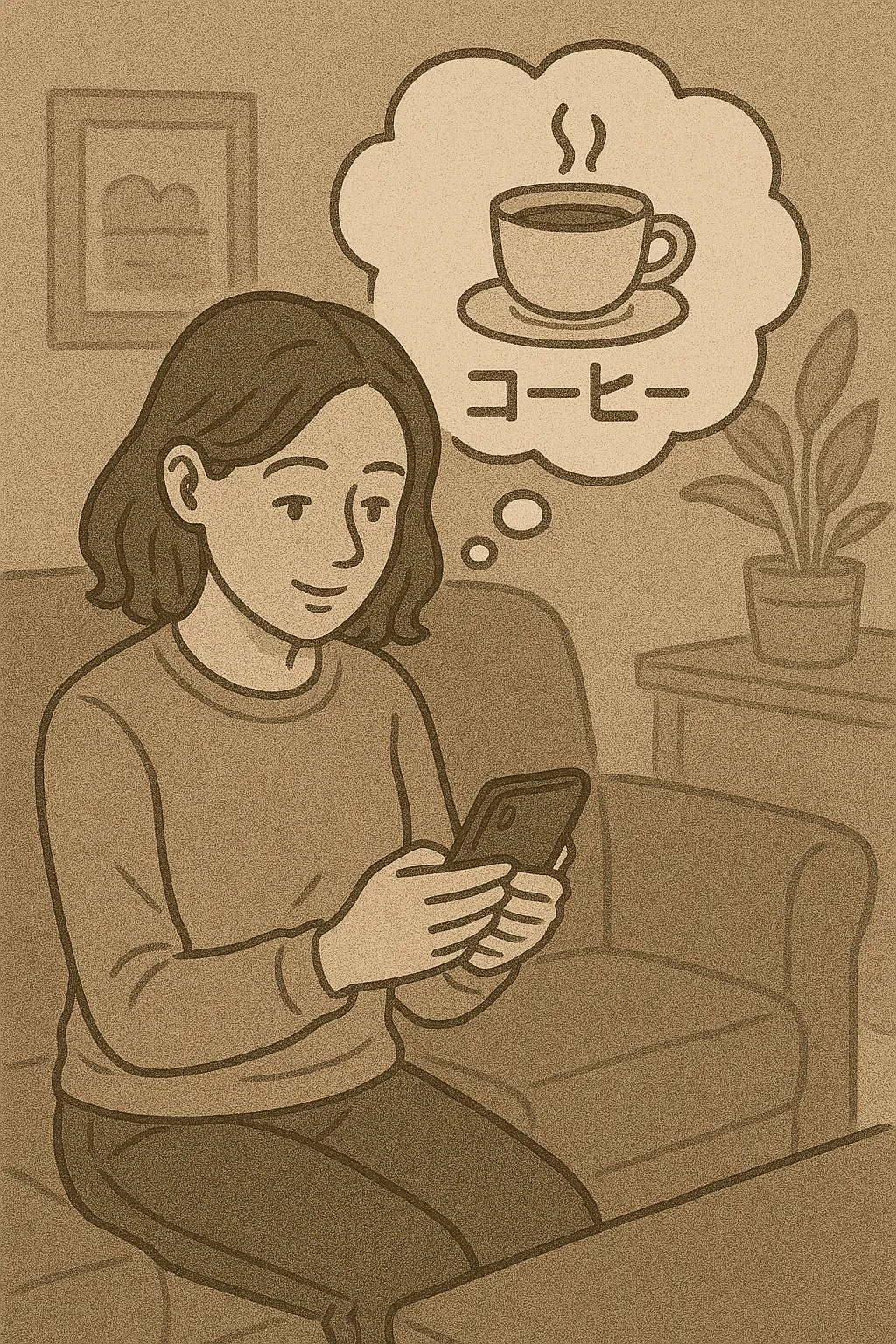
Kana Rhythm: How to Use Music and Beats to Reinforce Your Hiragana and Katakana Learning
Learning Japanese kana—Hiragana and Katakana—can be a challenging yet rewarding journey. One effective and enjoyable method to enhance your memorization is through music and rhythm. This approach not only makes learning fun, but it also helps strengthen your recall abilities. In this post, we’ll explore how to integrate music and beats into your kana studies and provide practical examples to get you started.
The Power of Music in Learning
Why Music Works
Music has a unique ability to engage both the brain and emotions, making it a potent tool for learning. Here’s why it works so well:
- Memory Association: Melodies can create strong associations with information, making it easier to remember.
- Engagement: Music keeps learners engaged, reducing the monotony of rote memorisation.
- Rhythm and Repetition: Repeated listening to songs reinforces patterns, aiding in retention.
Benefits for Learning Japanese Kana
Using music to learn Hiragana and Katakana offers several specific benefits:
- Enhanced Recall: Rhythmic patterns can help you recall kana more easily.
- Pronunciation Practice: Singing along can improve your pronunciation.
- Cultural Insight: Japanese songs expose you to language in context, enriching your understanding of the culture.
How to Incorporate Music into Your Kana Learning
Step 1: Choose the Right Songs
Not all songs are suitable for learning Japanese kana. Look for tracks that:
- Feature Simple Lyrics: Choose songs with clear, repetitive lyrics that include kana.
- Have a Steady Beat: A consistent rhythm helps reinforce learning through repetition.
- Include Kana Content: Select songs that specifically mention or use Hiragana or Katakana.
Step 2: Create Your Own Rhythmic Patterns
If you can't find the perfect song, consider creating your own:
- Use Kana Flashcards: Write down Hiragana and Katakana characters on flashcards.
- Assign Beats: Choose a simple beat (like clapping or tapping) for each character.
- Develop a Song: Create a catchy tune or jingle that incorporates the characters and practice it regularly.
Step 3: Engage in Active Listening
Don’t just listen passively; engage with the music:
- Sing Along: Try to sing along with lyrics, focusing on pronunciation and rhythm.
- Write Down Lyrics: Write out the lyrics using kana to reinforce your memorisation.
- Break It Down: Focus on one line or section at a time, ensuring you understand each kana.
Practical Exercises to Reinforce Learning
Exercise 1: Kana Karaoke
Organize a fun karaoke session with your friends using songs that incorporate Japanese kana. Here’s how to do it:
1. Select a Song: Pick a song that features Hiragana or Katakana.
2. Print Lyrics: Find the lyrics in both English and Japanese.
3. Sing Together: Take turns singing, encouraging each other to pronounce the kana correctly.
Exercise 2: Rhythm and Movement
Combining movement with rhythm can enhance memory retention:
1. Choose a Simple Beat: Use a metronome app or a simple drumbeat.
2. Assign Characters: Assign a kana character to different movements (e.g., jump for あ, clap for い).
3. Create a Routine: Perform the movements while reciting the kana, reinforcing your learning through physical activity.
Exercise 3: Song Creation Challenge
Create your own song with a focus on the kana you’re learning:
1. Select a Theme: Choose a theme that interests you (e.g., seasons, food).
2. List Kana Words: Write down words related to the theme that use Hiragana or Katakana.
3. Compose a Tune: Set the words to a simple melody you know, and sing it regularly.
Suggested Songs for Learning Kana
Here are some recommended songs to get you started:
- "Sukiyaki" (Ue o Muite Arukou): This classic features simple lyrics and a catchy melody.
- "Ponyo on the Cliff by the Sea": The theme song has a child-friendly appeal and repetitive lyrics.
- "Natsukashii Uta": A nostalgic song that often features Hiragana in its lyrics.
Additional Resources for Music Learning
To further enhance your kana learning journey, consider these resources:
- Japanese Song Lyrics Websites: Sites that provide lyrics can be useful for finding new songs.
- YouTube Channels: Many channels focus on teaching Japanese through music, providing a fun way to learn.
- Language Learning Apps: Apps that incorporate music may offer additional practice and exposure.
Practice Time
Now that you have some tools and techniques, it’s time to put them into action. Here’s a quick practice session to reinforce what you’ve learned:
1. Select a Song: Choose one of the recommended songs.
2. Listen and Repeat: Play the song and repeat the lyrics, focusing on the kana.
3. Create Your Own Beat: Use claps or taps to create a rhythm for each kana you hear in the song.
4. Sing Along: Finally, sing along while performing the rhythm to solidify your learning.
By integrating music and rhythm into your Japanese kana studies, you’ll find that memorisation becomes more enjoyable and effective. Keep experimenting with different songs and rhythms to discover what works best for you.
Download Kanabloom on iOS.
Looking for the best way to practice? Discover why Kanabloom is the best app for learning Hiragana and Katakana.