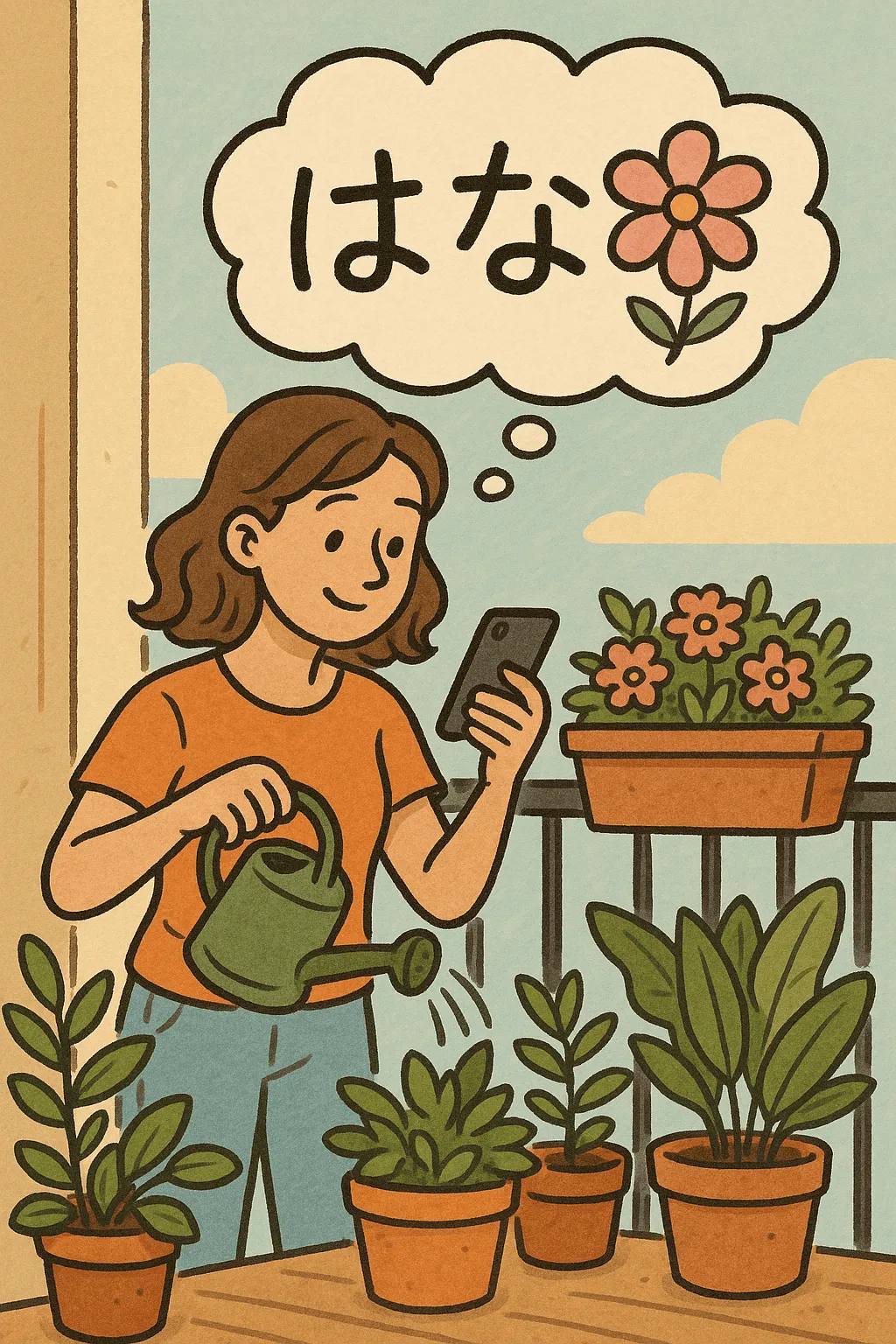
Kana Through Storytelling: Engaging Narratives to Learn Hiragana and Katakana
Learning Japanese can be an exciting journey, especially when you incorporate storytelling into your study routine. This method not only makes the process enjoyable but also helps in retaining the characters of Hiragana and Katakana more effectively. In this post, we will explore how you can utilise engaging narratives to master these essential components of the Japanese language.
Why Storytelling?
The Power of Narrative Learning
Storytelling taps into our natural affinity for narratives. When we hear a story, we tend to remember details better. This is particularly beneficial when learning new characters like Hiragana and Katakana. Here’s why:
- Emotional Connection: Stories evoke emotions, making it easier to remember.
- Contextual Learning: Characters are learned in context, aiding comprehension.
- Enhanced Engagement: A narrative sparks interest and motivates learners.
By integrating storytelling into your learning, you can create memorable associations with each kana character.
Understanding Hiragana and Katakana
What are Hiragana and Katakana?
Hiragana and Katakana are two of the three writing systems in Japanese, the third being Kanji. Here’s a quick overview:
- Hiragana: Used for native Japanese words and grammatical functions.
- Katakana: Primarily used for foreign words, names, and loanwords.
Both systems consist of 46 basic characters, each representing a distinct syllable. Mastery of these characters is crucial for reading and writing in Japanese.
Creating Engaging Stories for Kana
Step 1: Choose a Theme
Start by selecting a theme that resonates with you. It could be a personal story, a fairy tale, or an adventure. A relatable theme will make the learning experience more enjoyable.
Step 2: Integrate Hiragana and Katakana
Incorporate kana characters into your story. Here’s how:
- Character Names: Use kana for character names. For example, “さくら” (Sakura) for a cherry blossom-themed story.
- Action Words: Include verbs and adjectives in kana. For instance, “たべる” (taberu - to eat) and “おいしい” (oishii - delicious).
Step 3: Add Visuals
Visuals enhance memory retention. Draw or find images that represent elements of your story. This could include:
- Illustrations of characters
- Pictures representing key actions
- Symbols corresponding to emotions
Step 4: Repeat and Review
Read your story often. Repetition reinforces memory, helping you internalise the kana. You can also share your story with friends or fellow learners for feedback.
Example Story: The Adventure of Sora and Hikari
Let’s create a simple story using Hiragana and Katakana:
Characters
- そら (Sora - the sky)
- ひかり (Hikari - light)
Story
Once upon a time, そら (Sora) and ひかり (Hikari) went on an adventure. They wanted to find the おいしい (oishii - delicious) fruits of the さくら (sakura - cherry blossom) tree.
On their journey, they met a ともだち (tomodachi - friend) who showed them the way. Together, they たべる (taberu - eat) the fruits and danced under the きれい (kirei - beautiful) sky.
Practice with the Story
Now, let’s practice some kana based on this story:
- Write down the following words in Hiragana:
1. Sky: そら
2. Light: ひかり
3. Delicious: おいしい
4. Friend: ともだち
5. Beautiful: きれい
- Translate these words into Katakana, where applicable.
Additional Engaging Methods
Use of Interactive Apps
Utilising apps like Kanabloom can enhance your learning experience. Here’s how:
- Gamified Learning: Turn kana learning into a game with challenges and rewards.
- Story Mode: Some apps feature storytelling elements, allowing you to learn through narratives.
- Visual Aids: Interactive visuals help reinforce memory.
Join a Community
Engaging with others who are learning can be motivating. Consider joining forums or social media groups where you can share stories and practice together.
Create Your Own Storybook
Compile your stories into a personal storybook. This not only reinforces your learning but also gives you a tangible resource to refer back to.
Practice Section: Create Your Own Kana Story
Step 1: Write Your Story
Using the structure provided, write a short story incorporating at least five Hiragana and Katakana words.
Step 2: Illustrate
Add simple drawings or find images that represent your story.
Step 3: Share
Share your story with friends or on social media. This can provide motivation and valuable feedback.
Example Words for Your Story
- ねこ (neko - cat)
- いぬ (inu - dog)
- はな (hana - flower)
- くるま (kuruma - car)
- たのしい (tanoshii - fun)
By following these steps, you can create engaging narratives that make learning Hiragana and Katakana enjoyable and effective.
Summary
Incorporating storytelling into your kana learning process can transform your experience. By crafting engaging narratives, you not only make the process enjoyable but also enhance your memory retention. Whether you choose to write your own stories or use existing ones, remember to immerse yourself in the learning journey.
Download Kanabloom on iOS to further enhance your Japanese learning experience!
Looking for the best way to practice? Discover why Kanabloom is the best app for learning Hiragana and Katakana.